Plex: 03 December 2025
What's Going On: Imagination (John Warinner)
The Biweekly Plex Dispatch is an inter-community newspaper published on the first and third Wednesdays of each month.
In This Issue
- Imagination (John Warinner)
WHAT’S GOING ON
Imagination - a field beyond what we perceive
by John Warinner
In a previous article, we considered the relationship between Reality and Perception, describing Perception as a portal through which Reality enters our lives.
One consideration we did not previously mention:
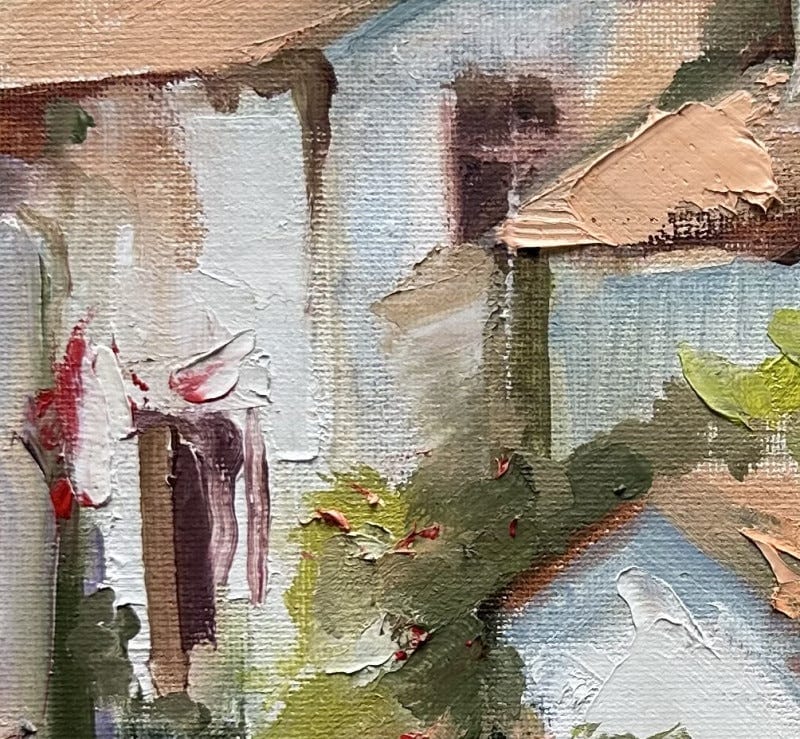
We do not clearly focus on and notice each and every thing occurring in our field of Perception. Much of what happens around us is vague, partial, peripheral, and fleeting. And yet, our field of Perception appears to us continuous and complete. What we do not clearly notice and discern, our minds naturally fill in with our Imagination.
This is not a flaw or a failure. It is how human beings navigate the complexity of the world. Where Perception provides fragments, Imagination supplies continuity. It extends the visible into the invisible, the known into the possible, and the present moment into something wider, broader, and more coherent than our eyes or ears could ever deliver alone.
But… there’s more.
Some of what we imagine is informed by Reality through Perception. But Imagination is not limited to the gaps in our Perception — it also grows from a deeper, more mysterious source within us. Our minds possess a generative capacity, an interior wellspring of novelty and possibility independent from what we have seen.
Much of our Imagination arises from this Generative Mind within us, producing forms, patterns, stories, and futures that have no precedent in our lived experience.
In this way, Imagination is both a completion of Perception and a departure from it. When Perception gives us pieces, Imagination suggests the whole. When Perception gives us this moment, Imagination sketches the before and the after. When Perception leaves ambiguity, Imagination provides hypotheses, narratives, and potential meanings.
Sometimes these imagined possibilities are gentle: a guess, a projection, a subtle inference. Other times they are bold: a vision, an insight, a dream, an original creation.
Imagination is deeply influenced by what we already carry — our memories, interpretations, emotions, values, and Beliefs. These internal structures shape what feels plausible or impossible, familiar or foreign, hopeful or threatening. In turn, what we imagine feeds back into those very structures, influencing how we interpret the world and what we are prepared to notice next.
In this sense, Imagination is not a separate faculty so much as a meeting place — where Reality’s signals and Mind’s possibilities converge. It is the space where we assemble a larger understanding of what might be happening, what might be true, and what might be possible.
Imagination follows Perception and precedes our Interpretations and formulation of our Beliefs. It fills the middle ground between what we have encountered and what we will eventually say we “Believe” or “Know.”
Perhaps most importantly, Imagination is where the Future enters our lives. Before we act, before we choose, before we commit ourselves to a path, we imagine and we anticipate. We envision possibilities, alternatives, and outcomes. We mentally explore worlds that do not yet exist. We consider possibility, desirability, plausibility… then we prioritize and choose among them.
Imagination, in this way, is a quiet architect of our becoming. In combination with Perception, it informs Interpretation, initiating the construction of the inner landscapes from which our Beliefs, Values, Actions, Experiences, and eventually our Wisdom emerge.
Through Imagination, the mind collaborates with our Perception of our world to inform and shape our sense of understanding — our gathered sense of the past, present, and future.
Reflections
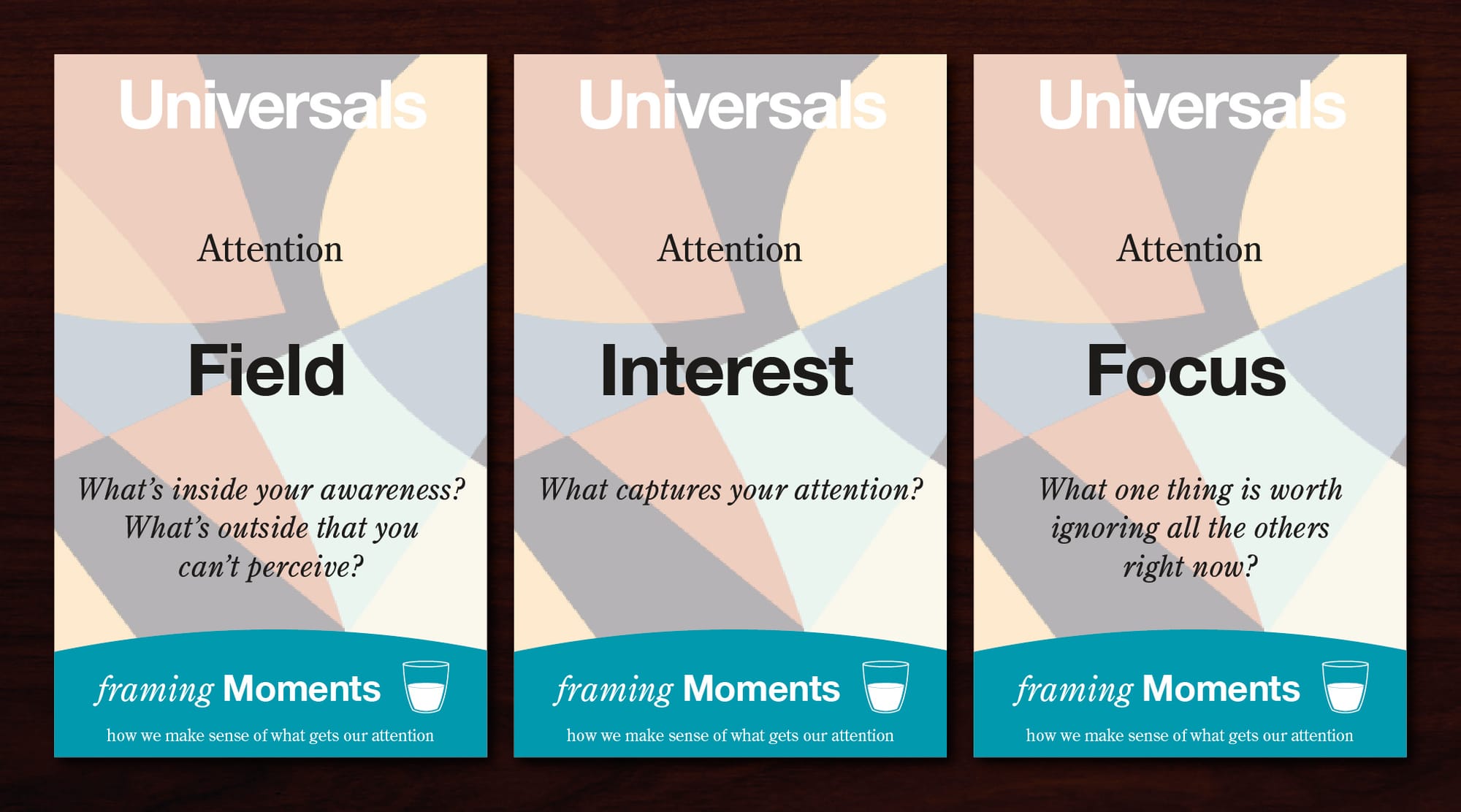
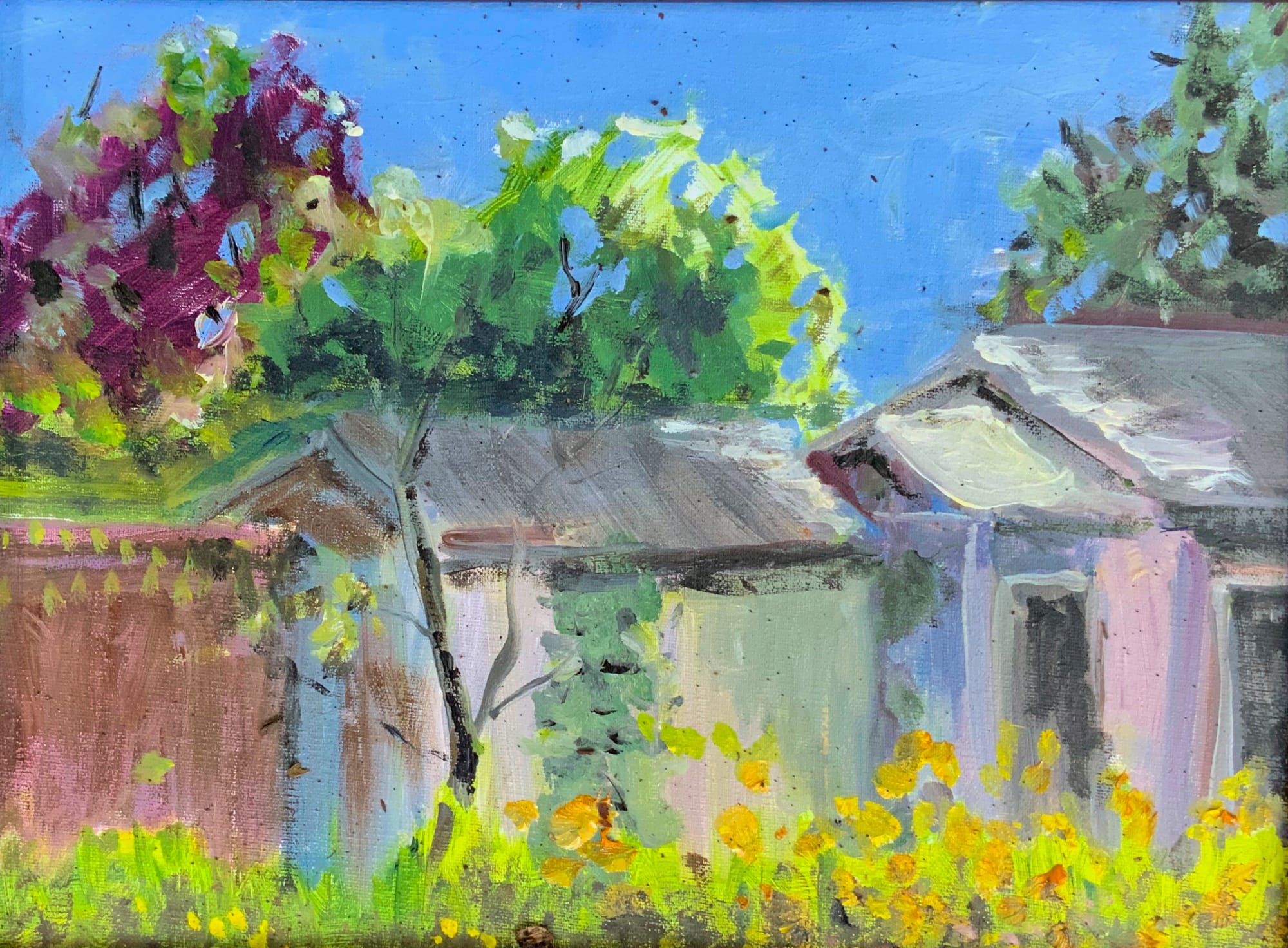
Pause for a moment and look around the space you inhabit here and now. Fix your gaze on an object of your choice. Without shifting your eyes, notice the blur that surrounds the object of your focus. Notice how your Imagination impressionistically completes your field of vision. What do you now see that you did not see before?
Pause again and listen to the space around you. Note the chorus of sound in this space. Then discern the individual parts that comprise the chorus. Which sounds prevail over the others? Which sounds do you notice now that you did not notice before? And what about the voice or song that was playing in your mind? Is that still present… or has it faded away?
Lord, here comes the flood
We’ll say goodbye to flesh and blood
If again the seas are silent in any still alive
It’ll be those who gave their island to survive
Drink up, dreamers
You’re running dry
Peter Gabriel
Here Comes the Flood
Thank you for reading! The next issue will be published on 17 December 2025.
Grateful appreciation and many thanks to John for his kind contribution to this issue.
The Plex Dispatch team welcomes contributions. Email Kevin with suggested submissions.
Kevin Jones works at the intersection of faith and economic justice with people repairing local economies. Email Kevin.
John Warinner helps people design and sustain systems that enable all members to flourish together. Email John.